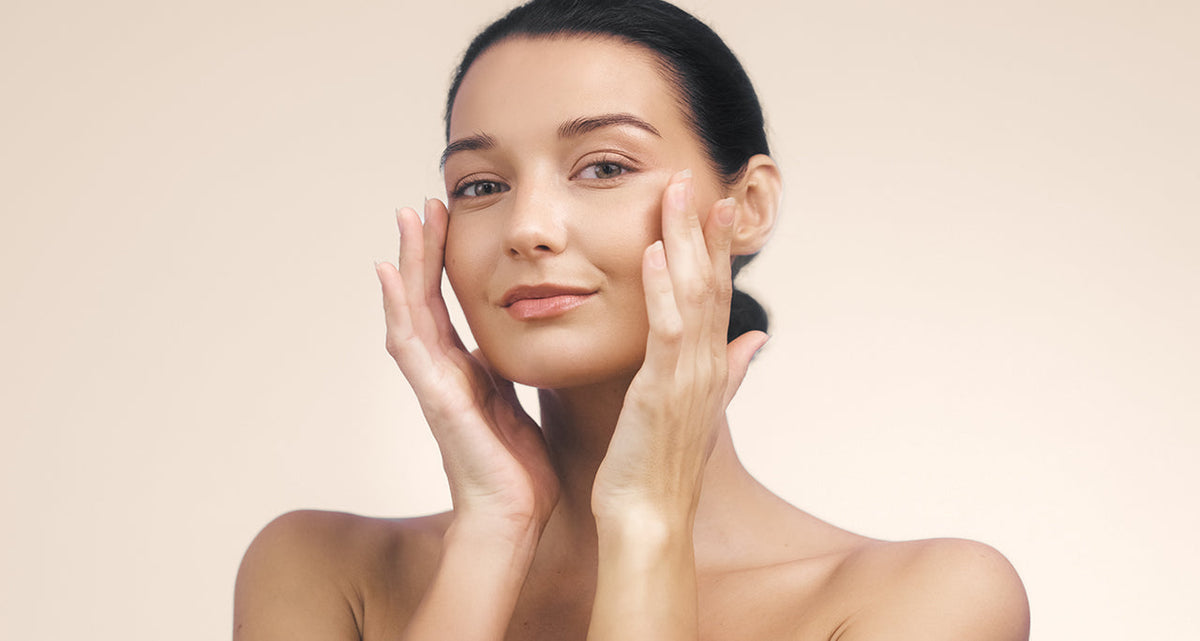


Sensitive Skin: Essential Rituals and Calming Care
Sensitive skin is predominantly recognized by its thinness, fragility, and acute reactivity, often revealing superficial micro-vascularization through the epidermis.
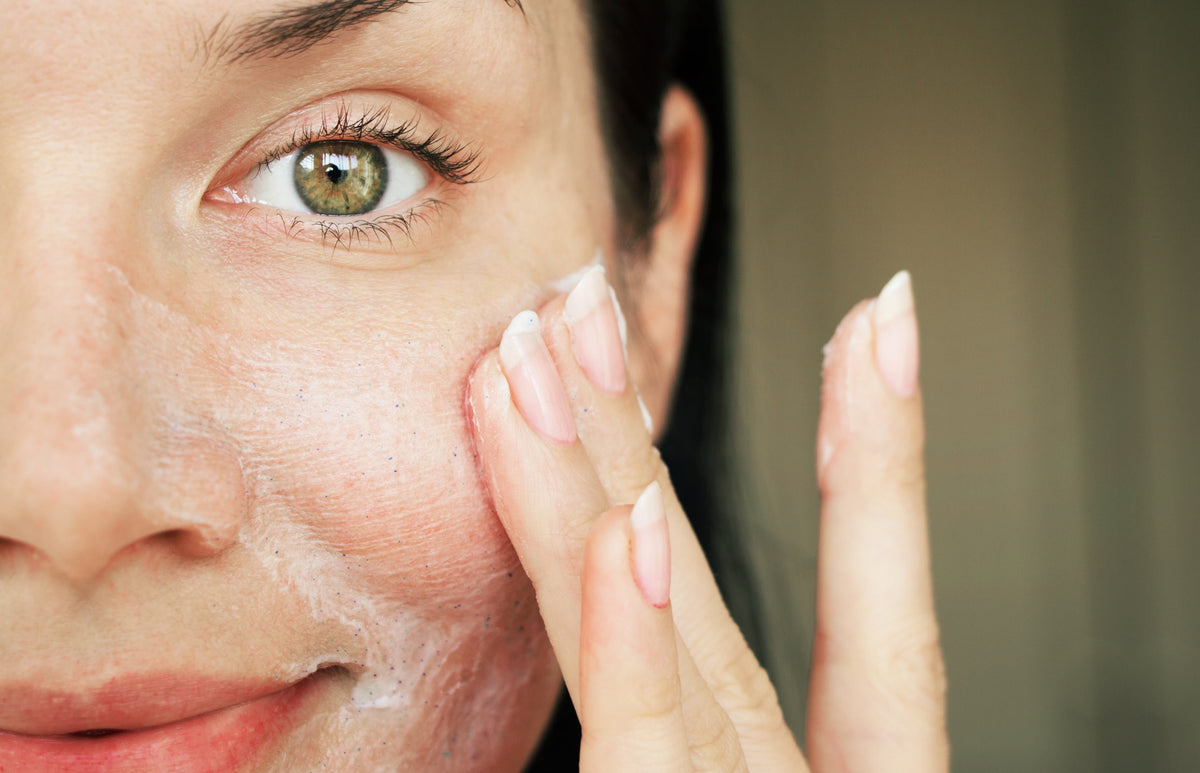
How to Identify Sensitive Skin?
In most instances, sensitive skin is characterized by its thin texture, heightened irritability, and hyper-reactivity. It frequently exhibits visible superficial micro-vascularization (telangiectasia or diffuse redness) beneath the epidermal surface. Unlike balanced or combination skin, sensitive skin possesses an impaired cutaneous barrier and is vulnerable to environmental stressors:
- Climate extremes: Cold gusts, intense heat waves, sudden humidity shifts, or dry air-conditioned indoor atmospheres.
- Pollutants and urban smog: Fine particulates, vehicle exhaust emissions, and secondhand cigarette smoke.
- Solar radiation, particularly UV exposure: Reactive skin flares swiftly under UV radiation because a deficient stratum corneum fails to shield deeper dermal structures, permitting irritating micro-particles to trigger inflammatory cascades.
However, it is crucial not to conflate reactive skin with allergic contact dermatitis. Allergic skin specifically reacts immunologically to targeted allergens, whereas reactive skin experiences sensations of stinging, overheating, or tightness triggered by benign environmental shifts.
Ingredients and Habits to Avoid
Sensitive epidermises struggle with formulations laden with synthetic preservatives, harsh sulfate surfactants, and synthetic fragrances that induce irritant reactions. High-concentration retinoids and aggressive glycolic fruit acids should likewise be handled with extreme care or replaced with biomimetic alternatives. Select fragrance-free or hypoallergenic formulas devoid of alcohol to minimize inflammatory spikes. Refrain from abrasive physical scrubs; exfoliation should rely on gentle non-abrasive enzymatic formulas because even sensitive skin requires shedding accumulated keratinocytes. For cleansing, opt for thermal spring water or micellar milks rather than chlorinated tap water, gently patting the face dry with a soft tissue. Never utilize traditional alkaline soaps whose elevated pH disrupts the natural protective acid mantle.
Minimalism is paramount: avoid product overload and rapid routine shifts. The more you allow your cutaneous barrier to self-stabilize, the more resilient it becomes. Daily contact with screens, shared devices, and urban surfaces deposits bacterial flora onto facial skin through subconscious touching. Even after exhausting days or late evenings, gentle cleansing and makeup removal remain non-negotiable to enable nocturnal cellular regeneration.
The Ideal Soothing Protocol
A few structured habits dramatically decrease cutaneous hyper-reactivity: shield against climatic shifts, avoid smoking, ensure adequate daily hydration (at least 1.5 liters of mineral water), and nourish the skin barrier with lipid-replenishing, soothing actives. Daily, a non-stripping cleanser, a calming serum, and an effective soothing anti-redness cream represent your closest allies. Once weekly, treat your skin to a calming mask formulated with anti-inflammatory bio-actives. Experience Soft Peeling, the grainless balm-in-oil facial exfoliant crafted specifically for fragile and sensitive skin, respecting your epidermis with absolute silkiness.
Clinical Expert Advice
To avoid exacerbating vascular reactivity, reduce highly spiced foods, safeguard against daily UV rays, and cocoon your epidermis with protective biomimetic lipids. Consider water-binding hydration as your cutaneous shield. Apply a calming serum and barrier cream each morning. Keep a travel soothing cream in your handbag for midday soothing, especially if prone to rosacea: vascular flushing raises localized temperature, causing accelerated trans-epidermal water loss. Mindful nutritional habits and avoiding alcohol will noticeably preserve an even, tranquil complexion.