

Tight Skin: Causes, Discomfort, and Expert Solutions for Restoring Comfort
Why does skin feel tight and uncomfortable? Discover the biological triggers behind skin tightness, the impact of cold and climate, and restorative barrier solutions.
The sensation of tight, uncomfortable skin is one of the most widespread dermatological complaints. It may manifest immediately after cleansing, post-shower, at the end of a demanding day, or during seasonal climatic transitions. While this sensation is commonly attributed exclusively to dry skin, it can in reality affect all skin types—including combination, oily, and acne-prone complexions. Understanding why skin feels tight enables targeted action to restore lasting cutaneous comfort and barrier resilience.
What does tight skin truly signify at the cellular level?
When your skin feels tight, it is not merely a superficial or fleeting inconvenience. It is an alarm signal dispatched by cutaneous tissues to announce an underlying physiological imbalance. Most frequently, this imbalance stems from epidermal dehydration, a compromised lipid barrier, or both simultaneously.
The skin barrier, residing within the uppermost stratum corneum, functions as an indispensable biological shield. It minimizes transepidermal water loss (TEWL) and repels environmental irritants. When its intercellular lipid matrix is disrupted, moisture evaporates rapidly into the air. The skin loses its natural elasticity and suppleness, triggering uncomfortable feelings of tension and tightness.
Primary biological triggers of cutaneous discomfort
Dehydration and water deficit
Intense hydration is essential for maintaining dermal flexibility and elastic rebound. When water content falls within the epidermis, skin cells lose their ability to stretch and flex smoothly. The tissue becomes stiff and unyielding, generating that distinct sensation of tightness, frequently accompanied by micro-stinging and diffuse erythema.
This water deficit is not always visible to the naked eye. Skin may appear normal or even exhibit surface oiliness, while suffering from profound dehydration within deeper epidermal layers.
A compromised stratum corneum barrier
Even when internal water intake is sufficient, a damaged lipid barrier cannot retain moisture effectively. The intercellular mortar of ceramides, cholesterol, and essential fatty acids is fundamental to cutaneous comfort. When these lipids are depleted, the skin becomes porous, reactive, and chronically uncomfortable.
Overly aggressive or stripping cleansing rituals
Using harsh, alkaline, or sulfate-heavy cleansers—especially during cooler months—strips away not only impurities but also the skin's vital acid mantle and protective physiological lipids. Following such cleansing, the skin feels immediately tight and parched, signaling acute barrier trauma.
Environmental impacts on skin tension
The external environment exerts a powerful influence over cutaneous comfort, especially during cold seasons or extreme climate transitions.
Freezing temperatures and wind exposure
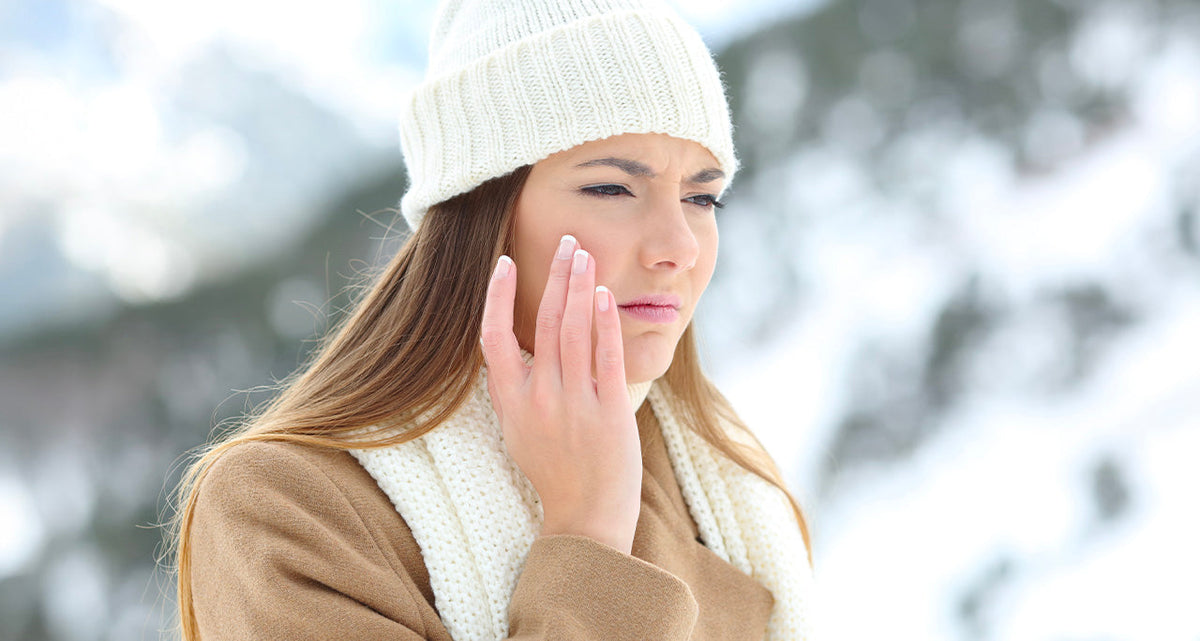
When ambient temperatures plummet, sebaceous glands reduce lipid secretion. The skin is deprived of its natural lubricating shield. Biting winds and low humidity accelerate water evaporation, further weakening the barrier and causing acute winter tightness.
Artificial heating, air conditioning, and thermal shock
Climate-controlled indoor air is notoriously low in relative humidity. This moisture-depleted air aggressively leaches water from the skin. Moving repeatedly between biting outdoor cold and dry, heated interiors inflicts thermal stress that taxes the skin's adaptive capacities.
Atmospheric urban pollution
Airborne particulates generate reactive oxygen species that compromise surface lipids and trigger sub-clinical micro-inflammation. Over time, chronic pollution erodes barrier integrity, amplifying sensations of discomfort even in historically resilient complexions.
Why does tightness escalate during winter?
During winter, multiple stressors converge: plummeted humidity levels, freezing winds, indoor central heating, and uncalibrated cleansing habits. Under these compounding pressures, the skin's ability to synthesize lipids and hold water is severely challenged. This synergy explains why tightness is significantly more frequent, intense, and stubborn during the winter months.
How to restore lasting cutaneous comfort
Restoring complete cutaneous serenity rests on two complementary actions: deeply infusing water into the epidermis, and sealing it with biomimetic barrier lipids.
Formulations must deliver potent humectants—such as pharmaceutical-grade glycerin and multi-molecular hyaluronic acid—alongside structural lipids like ceramides and essential fatty acids. An expertly balanced texture provides a breathable protective veil without suffocating the pores.
It is equally vital to calibrate your cleansing ritual. In harsh seasons, opt for gentle, pH-balanced physiological cleansers, avoid excessively hot water during showers, and apply serums and creams onto slightly damp skin to maximize water retention.
Finally, everyday lifestyle habits matter: shield your face from strong winds, maintain ample internal hydration, and minimize dramatic thermal shocks whenever possible.
Comfortable skin is balanced, resilient skin
The sensation of tight skin is never insignificant. It is a clear biological signal of imbalance that can be resolved by identifying your skin's true needs and understanding its environment. By replenishing moisture reserves and restoring the lipid barrier, your skin recovers velvety softness, supple elasticity, and deep comfort, even under the most demanding climatic conditions.