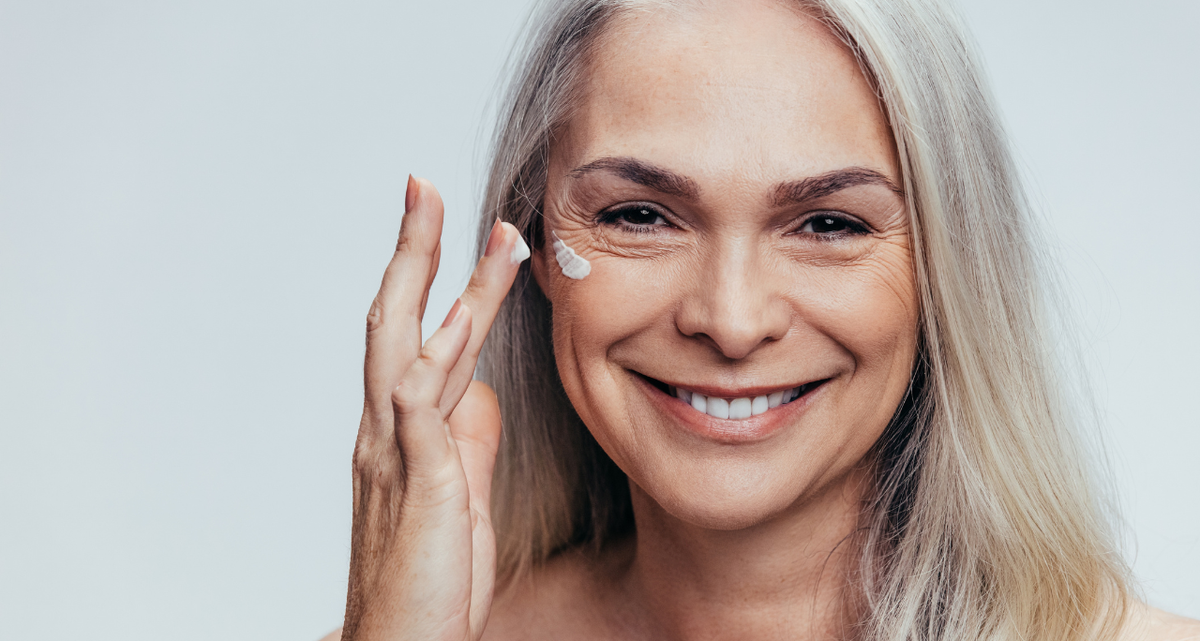


Why Hand Care Is as Essential as Facial Care in Anti-Aging
Constantly exposed and anatomically delicate, hands frequently age faster than the face. Discover the scientific reasons behind hand vulnerability and how to preserve their youthful elegance.
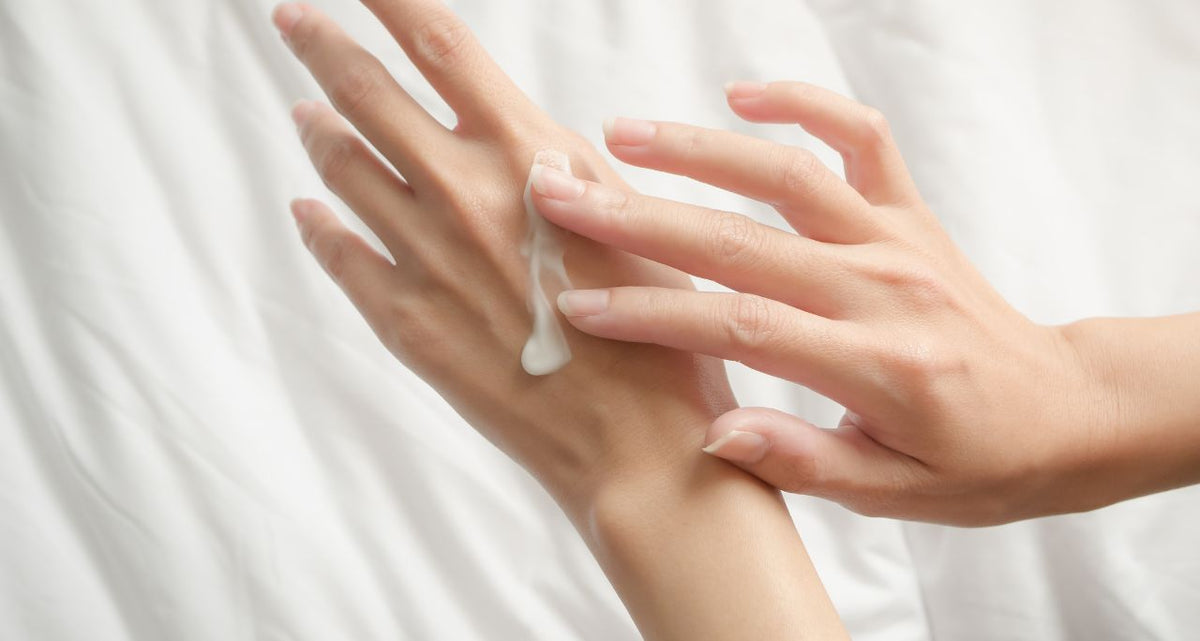
The face naturally commands the lion's share of attention when discussing anti-aging skincare. Yet another prominent zone betrays the passage of time with striking rapidity: the hands. Continuously exposed, ceaselessly engaged in daily tasks, and frequently neglected, our hands often show signs of biological aging far more rapidly than facial features. Understanding why the hands are so exceptionally vulnerable allows for an intelligent, proactive ritual that preserves their youthful refinement and softness over time.
The hands: an exceptionally exposed anatomical area
Unlike facial skin, which enjoys daily care and protection, the hands are rarely shielded. They endure uninterrupted environmental aggression: frequent handwashing, alkaline soaps and detergents, rapid temperature shifts, mechanical friction, and continuous UV exposure. To compound this challenge, an anatomical reality exists: the skin on the dorsal aspect of the hands is naturally ultra-thin and possesses exceptionally few sebaceous glands.
This sparse endogenous sebum production severely curtails the skin's capacity to maintain an intact lipid barrier and retain essential water. The result: hands dehydrate swiftly, coarsen in texture, and reveal early signs of biological wear.
Why do hands often age faster than the face?
Unrelenting solar radiation
Our hands receive constant sun exposure all year round, typically without dedicated broad-spectrum SPF protection. Cumulative UV rays penetrate the dermis, accelerating the degradation of structural collagen and elastin fibers. Over the years, this fuels photoaging: premature fine lines, thinning skin, and the emergence of visible hyperpigmentation spots (solar lentigines).
A compromised protective barrier
Frequent washing—essential for hygiene—strips away vital surface lipids with every cycle. Once this hydrolipidic barrier is repeatedly disrupted, moisture evaporates rapidly, leaving the skin tight, vulnerable, and prone to micro-fissures and persistent discomfort.
Delicate, fragile tissue structure
The skin on the back of the hands is among the most fragile and delicate on the human body. It possesses minimal subcutaneous adipose cushioning, making it particularly defenseless against mechanical and environmental stresses. As decades pass, this physiological thinness accentuates, rendering veins, tendons, and bony contours noticeably prominent.
Visible markers of hand aging
The aging process in the hands unfolds progressively. Early signs are subtle, but they steadily deepen if not met with targeted clinical care.
The skin becomes dehydrated, losing its plump rebound and youthful luster. Micro-creping appears, followed by deeper dermal creasing. Pigmentary spots, directly triggered by cumulative solar exposure, become increasingly prevalent. Finally, dermal atrophy creates a papery, weathered appearance that contrasts sharply with a well-maintained facial complexion.
Why specialized hand care is indispensable
Standard facial moisturizers are not formulated for the unique mechanical stresses endured by the hands. The hands require targeted formulations engineered to:
- deliver deep, multi-layer epidermal hydration,
- reconstruct and reinforce the compromised lipid barrier,
- shield against continuous oxidative and environmental stressors,
- stimulate cellular regeneration and dermal repair pathways.
An effective anti-aging hand treatment must work simultaneously across all of these physiological dimensions.
Hydration and lipid replenishment: the cornerstone of hand care
Moisture retention is paramount to restoring supple softness and lasting comfort. The hands require potent humectants capable of drawing water into the epidermis, complemented by restorative biomimetic lipids that seal and rebuild the stratum corneum.
Properly hydrated skin immediately appears smoother, fuller, and more refined. In the long term, consistent lipid replenishment diminishes fine lines and bolsters skin resilience against daily chemical and physical friction.
Protective care: preventing accelerated aging
Continuous protective shielding is the indispensable pillar of youthful hands. Ultraviolet rays, biting cold, harsh winds, and cleaning agents all accelerate tissue degradation.
Applying dedicated SPF to the hands, wearing protective gloves during chores and in cold weather, and avoiding aggressive cleansers are fundamental preventative measures. These straightforward habits play a decisive role in long-term aesthetic longevity.
Stimulating cellular repair and tissue renewal
Over time, the natural rate of epidermal turnover slows down. Advanced restorative actives help reactivate these essential biological functions, accelerating tissue repair and refining epidermal texture.
Sustained activation of cellular renewal maintains a smooth, dense, and visibly youthful surface on the back of the hands.
Integrating hand care into a holistic anti-aging routine
Caring for your hands should never be an afterthought. It deserves to be an instinctive daily ritual on par with your facial routine. Your hands are an essential expression of youthful grace, elegance, and vitality.
By establishing a dedicated, scientifically sound daily habit, you can dramatically slow the visible hallmarks of aging—preserving hands that remain velvety, smooth, and in perfect harmonious alignment with a youthful face.
Hands that mirror your dedication to skin excellence
Cutaneous aging does not stop at the jawline. The hands, through constant exposure and delicate anatomy, demand bespoke clinical attention. Understanding their biological vulnerabilities and implementing proactive care preserves their refinement indefinitely. Elevating your hand care routine completes your anti-aging philosophy with elegance and scientific rigor.