

Does a High-Sugar Diet Cause Acne: Fact or Fiction?
Sugar is the primary culprit, far beyond just sweets and pastries. Discover the scientific connection between diet and skin blemishes.
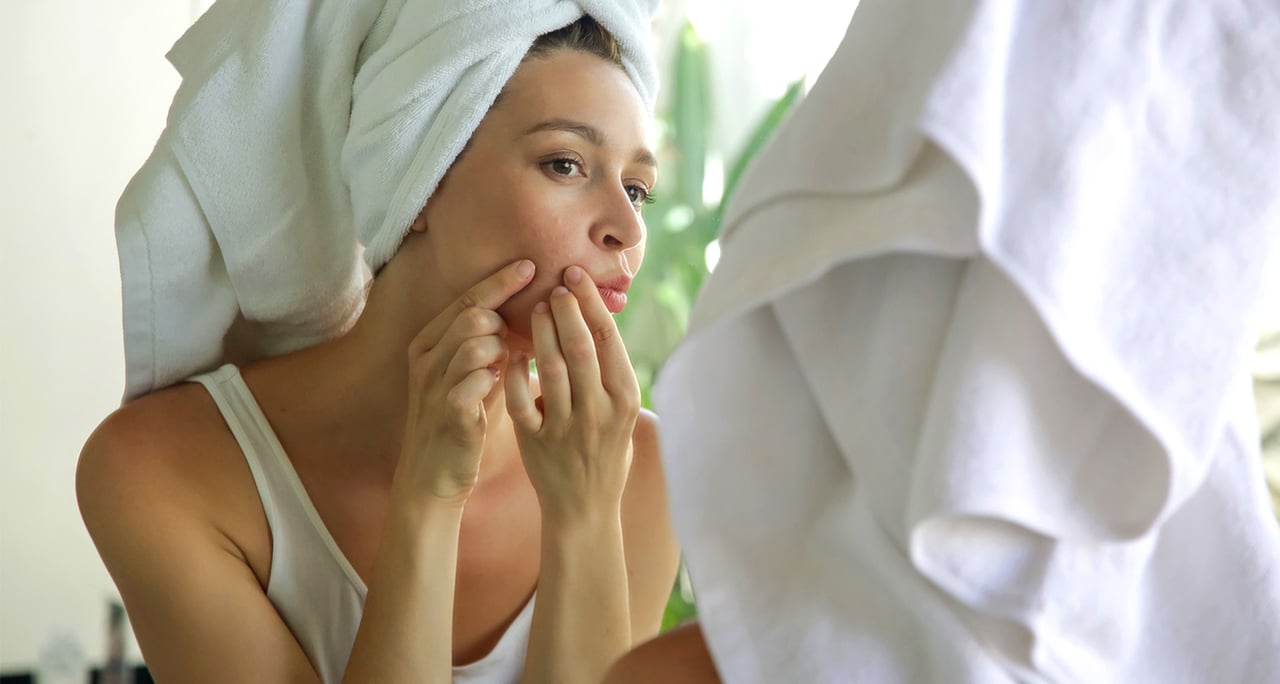
Acne is far from being merely an adolescent concern. In fact, adult acne affects over 43% of adults over the age of thirty, the majority being women. Its triggers are complex and deeply intertwined: physiological stress, hormonal fluctuations around monthly cycles, sleep deprivation, an unsuitable skincare routine… and a diet excessively rich in sugars and saturated fats!
Approaching the Age of Fine Lines, Yet Still Battling Blemishes?
The entire biological mechanism takes place at the pilosebaceous follicle, where hair shafts originate and sebaceous glands reside. In total, approximately two million sebaceous glands produce sebum to coat the epidermal surface, playing an indispensable role in maintaining the protective barrier. The forehead, nose, and chin alone harbor between 400 and 900 sebaceous glands per square centimeter, explaining why the central facial zone is overwhelmingly prone to blemishes.
Why Does Blemish-Prone Skin Develop Acne?
When sebaceous glands operate in overdrive and copious sebum cannot drain freely through the follicular canal, it leads to comedones, blackheads, microcysts, and visible skin congestion. Furthermore, sebum stagnation creates an anaerobic lipid-rich microenvironment favored by Propionibacterium acnes (Cutibacterium acnes), a bacterium that multiplies swiftly, triggering inflammatory cascades and painful breakouts. In short, three primary conditions converge to manifest acne lesions:
- Excessive sebum secretion (hyperseborrhea)
- Impaired follicular desquamation causing clogged pores and microcysts
- Proliferation of Propionibacterium acnes accompanied by inflammation
Superimposed upon these biological drivers are oxidative stress, hormonal surges, topical skincare formulations, and what you put onto your plate!
The Proven Clinical Link Between Sugar and Skin Imperfections
Extensive clinical studies have incriminated foods high in rapid-absorption sugars (dairy products, milk chocolate, refined confectionery) and saturated fats in stimulating sebum hyperproduction and follicular retention.
A landmark 2009 clinical trial revealed that individuals suffering from acne presented significantly elevated serum glucose and circulating insulin levels compared to clear-skinned counterparts. Ingesting high glycemic index foods triggers an abrupt spike in blood glucose, prompting insulin secretion and activating Insulin-like Growth Factor 1 (IGF-1). This hormonal surge directly stimulates sebaceous gland proliferation and lipogenesis. Trapped within narrowed follicular openings, oxidized sebum sparks inflammation and transforms into tender papules and pustules.
Sebocytes utilize dietary glucose to synthesize lipids, substantially heightening acne risk. Furthermore, a 2014 study corroborated that milk and dairy consumption strongly correlates with heightened acne incidence, especially when combined with high-glycemic carbohydrates.
Limiting refined sugars—whether table sugar in coffee and tea, white flour, fried dishes, processed meats, or commercial dairy—proves to be a potent dermatological strategy.
Practical Guidance for Identifying Hidden Sugars
Sugar represents the chief metabolic culprit, lurking well beyond traditional sweets and pastries. Today, multiple forms of simple carbohydrates pervade modern processed nutrition.
Dietary Adjustments for Clearer Skin
Begin by moderating candy, pastries, and confectionery. Replace refined white bread, pasta, and white rice with wholesome, fiber-dense ancient whole grains. Fiber slows glycemic absorption, stabilizes insulin secretion, and curtails cravings between meals. Critically curtail sugary sodas, commercial juices, and processed microwave meals often consumed hastily during busy workdays. Cultivate the habit of examining nutritional labels, scrutinizing total carbohydrates and the "of which sugars" declaration.
Targeted Cosmetic Care for Blemish-Prone Skin
While pairing "cosmetic" with "treatment" might seem unconventional, prescribing dermocosmetic routines precisely adapted to your skin chemistry constitutes an indispensable therapy against imperfections. Frequently, individuals over-cleanse with abrasive soaps in an attempt to scrub away blemishes. This strips the lipid barrier, induces severe dehydration, and provokes compensatory reactive seborrhea—trapping the skin in a vicious cycle of irritation and breakouts.
Select formulations that normalize sebum output, deliver targeted antibacterial benefits, and deploy calming anti-inflammatory actives without stripping moisture. Commit to a structured, gentle protocol for at least 4 to 6 weeks, allowing a full epidermal turnover cycle to reveal clear, refined skin.
Ensure every formula remains strictly free from drying denatured alcohol, which induces surface desquamation and reactive redness.
STEP 1: Gentle Purifying Cleansing
Harsh alkaline soaps dehydrate the skin and exacerbate discomfort. Opt for a gentle purifying cleansing foam, specifically formulated for blemish-prone complexions. Cleanse twice daily, morning and evening, to gently dissolve impurities and microbial buildup with a specialized purifying cleanser.
STEP 2: Regulating and Clarifying Treatment
Apply an ultralight, non-comedogenic gel-cream treatment infused with antibacterial and anti-inflammatory actives. An advanced restorative repair gel soothes redness, balances sebum production, and accelerates the resolution of active blemishes when applied across the face or used as an intensive spot treatment.
STEP 3: Weekly Sebum-Regulating Clay Mask
Integrate a weekly purifying clay mask combining pure green and white clays. Rich in elemental magnesium and silica, this absorbent mask draws out impurities, absorbs excess sebum, and rebalances congested pores without stripping hydration.
Enhancing Blemish-Prone Skin with Makeup
Wearing makeup over acne-prone skin is entirely permissible when using non-comedogenic, breathable formulations. Since cellular renewal requires several weeks to visibly eliminate deep congestion, a refined, skin-friendly makeup gesture provides immediate aesthetic confidence!
Reference: Dr. Nadine Pomarède, Carole Moreau. Beautyfood: Beauty from Within.